

An Armchair Guide to Jung and God
- This event has passed.
April 10 @ 8:00 am – April 29 @ 5:00 pm CEST

93 people are attending An Armchair Guide to Jung and God
The Armchair Guide to Jung and God
Presented by Mark Vernon
What did Carl Jung really think about God, religion, and the inner life?
In this thought-provoking 9-session course, Mark Vernon brings Jung’s most powerful ideas to life—exploring the unconscious, symbols, synchronicity, and spiritual experience in a way that’s accessible, challenging, and deeply relevant to modern seekers.
Course Format
The course includes 9 sessions:
- 6 one-hour recorded lectures
- 3 live group conversation and Q&A sessions
Beginning April 10, two recorded lectures will be released each week for you to view at your own pace. These talks provide the foundation for deeper reflection and discussion.
The weekly live group conversations are an opportunity to:
- Reflect on the week’s two lectures
- Ask questions
- Explore your own responses and insights
- Learn from the perspectives of others
Live Group Conversation Dates:
Wednesdays: April 15, 22, 29
10am PDT/1pm EDT/6pm BST/7pm CEST
Carl Jung was born in 1875, just over 150 years ago. His impact upon psychology is immense, with notions such as extroversion and introversion, archetypes and synchronicities. But what lies at the heart of his psychology and how compatible is it with theistic convictions?
The course will examine the fundamentals of Jung’s depth psychology, paying particular attention to its significance for religious belief. Jung felt that psychoanalysis had emerged to fill a vacuum in the western world, with churches losing the ability to address the pressing issues of inner life.
Why is this important?
He endured a substantial crisis in the earlier part of his life, known now in his so-called Red Book, in which he describes encounters with various entities and the zeitgeist. He strove to bring the insights he gained to the wider world, in various phases of work, including personality types and alchemical concepts. He also engaged with other thinkers such as Nietzsche and Darwin and, of course, Freud.
In other words, Jung wanted to make a difference and, by any measure, he has. But his ideas about religion, and Christianity in particular, are contested. Towards the end of his life, he described not believing in God but knowing of God’s existence. He also disagreed with the classical conception of God held in traditions including the Christian. So what can be made of his work now?
Who Is This Series For?
This course will appeal to:
- Students and practitioners of psychotherapy and depth psychology
- Religious professionals interested in psychological flourishing and how Jung might inform their work.
- Those considering psychotherapy or spiritual direction as a second career
- People who enjoy reading about spirituality and have a spiritual practice
- Anyone who enjoys reflecting on religious questions and the inner life
How will this presentation differ?
Assuming no prior knowledge, this course will return to basics, which is, in fact, the best way to make an assessment of Jung’s insights. There will be plenty of opportunity for QnA and discussion.
Lecture Titles
Lecture 1
A Call From The Unconscious
An outline of Jung’s life and how he came to see his vocation.
Lecture 2
After The Split With Freud
Jung’s own analytical psychology in outline.
Lecture 3
The Spiritual Problem of Today
How Jung understood psychotherapy to be a response to a modern crisis.
Lecture 4
The Failure of Religion
Jung had a sharp critique of the failures of Christianity.
Lecture 5
The Fabric of Reality
Phenomena like synchronicities suggested a complete metaphysic to Jung.
Lecture 6
Jung and God
An exploration of Jung’s theology: its genius and constraints.
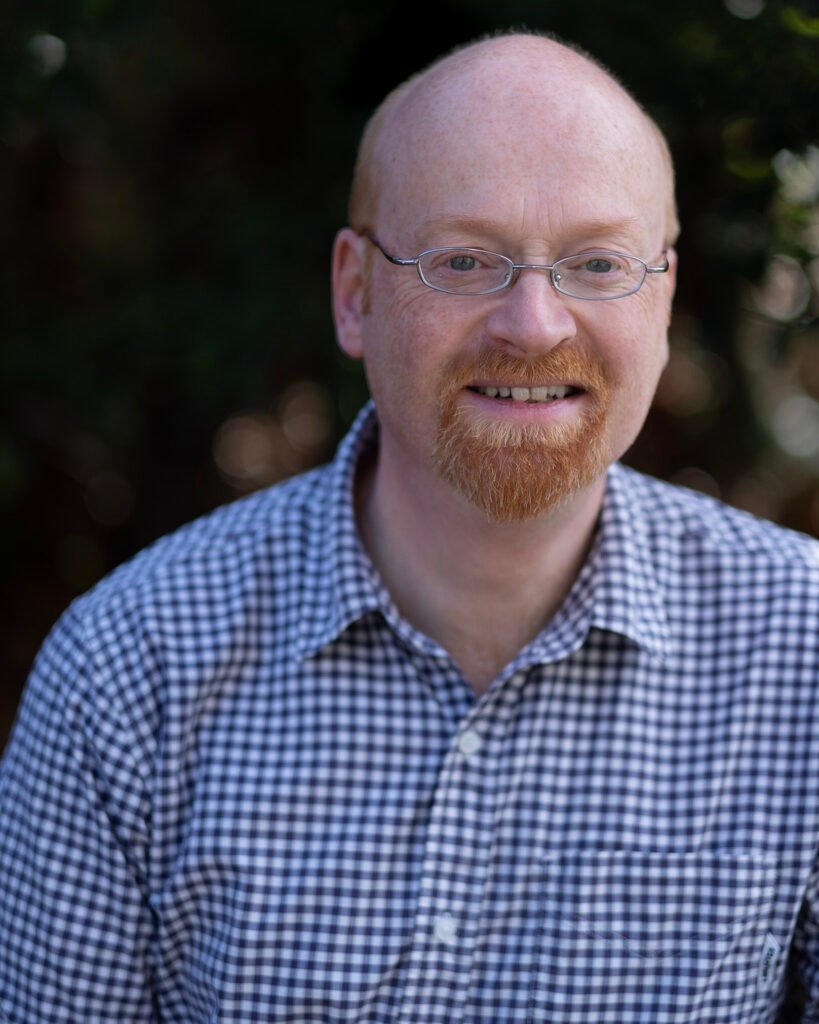
Dr Mark Vernon is a psychotherapist, teacher, podcaster and writer of journalistic articles as well as books. He has a PhD in ancient Greek philosophy, and degrees in theology and physics. His books include Carl Jung: How To Believe, A Secret History of Christianity: Jesus, the Last Inkling and the Evolution of Consciousness; Dante’s Divine Comedy: A Guide for the Spiritual Journey and most recently Awake! William Blake and the Power of the Imagination.
He teaches with a variety of informal adult education projects, both online and in-person, covering the mystical traditions of theistic traditions and the interface between science and religion. He was recently Philosophy in Residence at Broughton Sanctuary and is a contributor to the BBC, particularly on programmes such as the Moral Maze and Thought for the Day. He has a regular column in the Idler magazine and is also a director of the Realisation Festival, a gathering that brings together ideas and music to resource the soul for our times. He used to be a priest in the Church of England and lives in south London. For more see www.markvernon.com
Who's coming?
93 people are attending An Armchair Guide to Jung and God